Water Damage Restoration in Warwick, RI
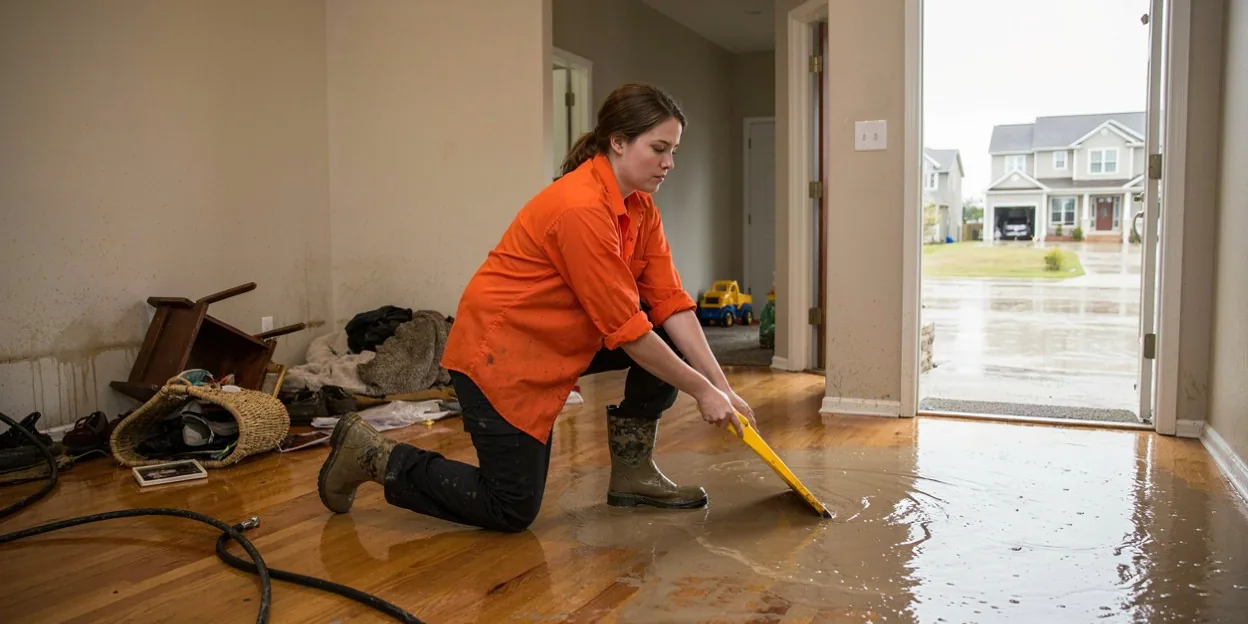
Warwick is Rhode Island's third-largest city, about 83,000 people just south of Cranston across the Pawtuxet River, with 39 miles of shoreline on Narragansett Bay. It grew as a summer colony at Oakland Beach and Conimicut and as mill villages at Apponaug and Pontiac, and then filled in after World War II with block after block of 1950s and 1960s capes and ranches, most with basements, on flat land that does not drain well.
The Pawtuxet made the city famous for the wrong reason. On March 31, 2010, the river crested at 20.79 feet at the Cranston gauge just upstream, about 13 feet above flood stage, and put several feet of water through Warwick Mall, closed Interstate 95, and flooded hundreds of homes along the river from Pontiac to Pawtuxet Village. The bay is the other threat: the 1938 hurricane and Hurricane Carol on August 31, 1954, wiped out the cottages at Oakland Beach, and Sandy flooded the shore again on October 29, 2012.
We connect Warwick homeowners with an independent local water damage provider by phone. You describe the problem; the provider decides what to look at first.
Warwick water damage, river side and bay side
River or groundwater in a cape's basement is a basement flooding cleanup job, and after 2010 most of the river streets know it well. A pipe that froze in an enclosed porch or a garage wall is frozen pipe cleanup. Once the water is out, structural drying with dehumidifiers is what gets a below-grade room in this flat, damp city back to dry.
Where to call in Warwick
Permits for rebuilding walls, plumbing, or electrical go through the city's building department, reachable through the City of Warwick site. The Warwick Mall rebuilt and reopened after 2010 and marks the anniversary each March, which tells you how the city remembers that week.
Call (401) 443-9638 now and tell us what you see. We connect you with a local water damage provider serving Warwick.
Services Available in Warwick
Water Extraction
Standing water pumped out of a basement, kitchen, or first floor, then the first meter readings to see how far it traveled.
Structural Drying
Air movers and dehumidifiers run by the readings until joists, subfloor, plaster, and drywall come back to their dry target.
Basement Flooding Cleanup
Water out of a stone or block basement after a sump failure, seepage, or a Pawtuxet River rise, then the walls and floor dried.
Sewage Cleanup
Contaminated water and the materials it touched removed after a sewer backup, floor-drain overflow, or failed septic system.
Burst Pipe Water Damage
The rooms, ceilings, and floors a failed supply line soaked, pumped out and dried once the water is shut off.
Frozen Pipe Cleanup
Cleanup after a pipe froze and split in an exterior wall, an unheated porch, or a basement, then drying what the thaw let loose.
Ceiling Water Damage Repair
A stained, sagging, or dripping plaster or drywall ceiling opened, dried, and made ready for repair after the leak above is stopped.
Dishwasher Leak Cleanup
Water under the dishwasher, the cabinet toe kicks, and the kitchen floor found, pulled out, and dried before the subfloor swells.